















⭐️ FIVE STAR FRIDAY! ⭐️
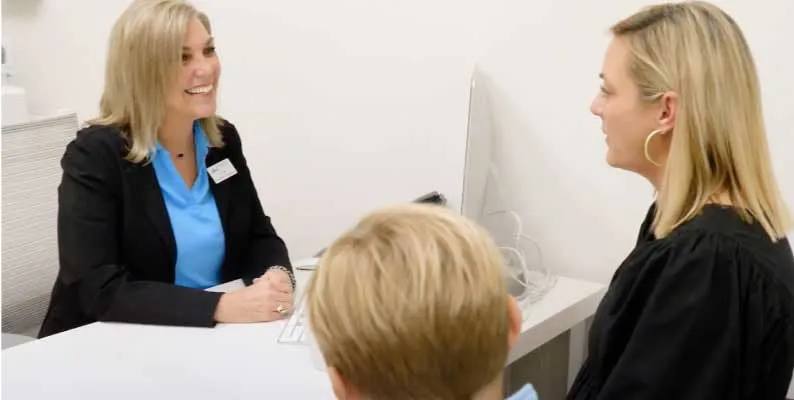
From the front desk to the doctor, we’re so glad Michele had a five-star experience with our team! Thank you for taking the time to share your kind words. 🦷✨
Ready to see what the Davis & Goldberg experience is all about? 😁 Schedule your FREE consultation today! No referral needed!
📱336-887-3168
💻 https://davisgoldbergorthodontics.com/lp/free-consult/
#fivestarfriday⭐️⭐️⭐️⭐️⭐️ #braces #Invisalign #orthodontist


There’s more than one way to get where you’re going… but there’s only ONE place to start your smile journey! 😁🦷
Whether it’s the trap door, elevator, escalator, or stairs, we’ll help you find your way to a smile you LOVE! 💙
✨ Ready to start your smile transformation? Contact Davis & Goldberg Orthodontics for your FREE consultation!
📲 336-887-3168
💻 https://davisgoldbergorthodontics.com/lp/free-consult/
#braces #DavisAndGoldberg #Orthodontics #invisalign

🥳 BIG congratulations to Kirsten, our latest Smile Squad drawing winner! 🎉🦷
Want a chance to be our NEXT winner?! 👀 It’s SO easy to join the Davis & Goldberg Smile Squad:
1️⃣ Stop by our office and grab your Davis & Goldberg magnet or sticker!
2️⃣ Stick it on your car
3️⃣ When our team spots you out and about, we’ll snap a photo and post it on our social media! 📸
4️⃣ See your car on our page? Email kelly@davisgoldbergorthodontics.com to claim it and be entered into our drawing for FREE BRACES! 🎉
📣 SHARE THIS POST with your friends and family, you never know who our team will spot next!
#davisgoldbergorthodontics #braces #freebraces #orthodontist

Braces bothering you? Bri’s got you covered! 😄
If a bracket or wire is poking your cheek, orthodontic wax can be a lifesaver! Bri is here to show you how to use it for a little extra comfort while your smile is in progress. 🦷
Save this tip for when you need it, and remember, we’re always here to help! 💙💜
#braces #davisgoldbergorthodontics #orthodontist

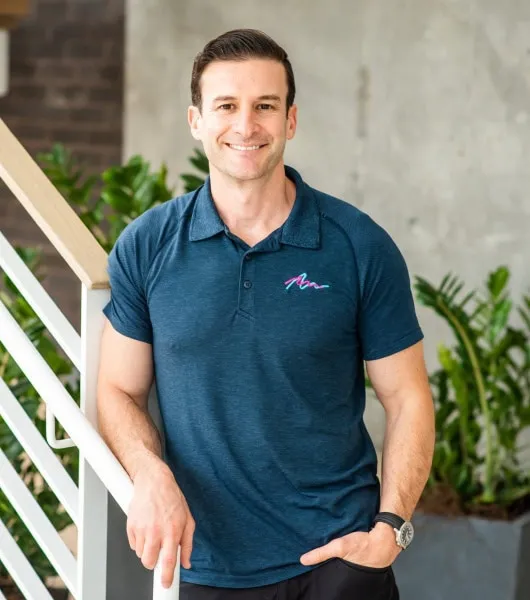
Happy Boss’s Day to Dr. Goldberg! 🥳
Today we’re celebrating the guy who leads our team, keeps us moving and somehow always has a new idea up his sleeve! We appreciate all you do to make our team and practice smile! 🦷
#happybossesday #davisgoldbergorthodontics #bestboss

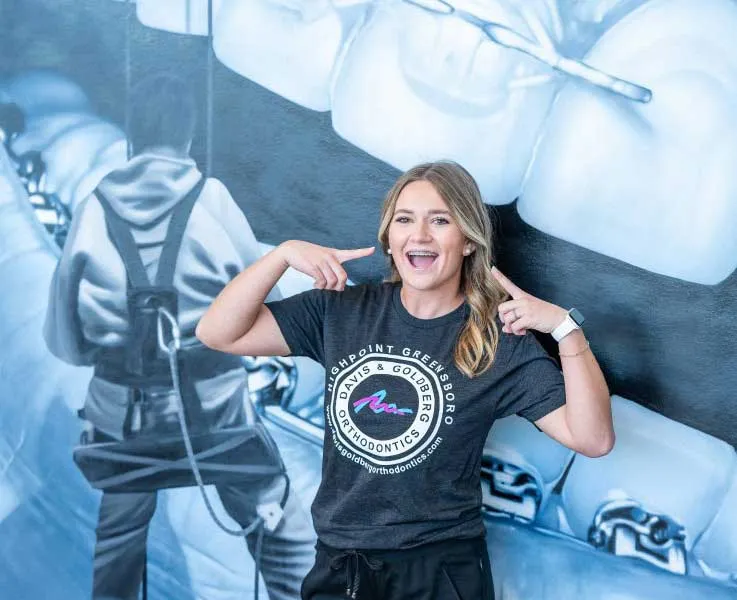
Congratulations Miguel, our lucky winner this month! He`s taking home a fun movie pack! 😁🥳
Want a chance to win? It`s so easy, just wear your t -shirt or hat to your appointments and you will automatically be entered! 👕🧢
#davisgoldbergorthodontics #weloveourpatients #braces #invisalign

👠😂 Even our orthodontic tools are ready for the runway!
Ready to start your smile journey? Contact Davis & Goldberg Orthodontics for your FREE consultation!
📲 336-887-3168
💻 https://davisgoldbergorthodontics.com/lp/free-consult/
#braces #invisalign #orthodontist #freeconsultation

Congratulations on getting your braces off, Alaina! Thanks for letting Davis & Goldberg Orthodontics be part of your smile journey! 🥳
✨ Are you ready for your own smile makeover? Schedule your FREE consultation with us today!
📲 336-887-3168
💻 https://davisgoldbergorthodontics.com/lp/free-consult/
#braces #invisalign #davisgoldbergorthodontics

We had SO much fun seeing all of your Summer Adventure Contest Photos this summer and now it`s time to celebrate the winners! 🥳
1st Place- Tucker took home the MACBOOK! 😁
2nd Place- Addie 🎧
3rd Place- Avery 💳
A HUGE thank you to everyone that participated and shared your summer adventures with us. We loved seeing all the fun you had! 😎
#davisgoldbergorthodontics #braces #Invisalign #patientcontestwinner

Start your Invisalign journey today! 😁✨ Beginning now means you can get a head start on achieving the smile you’ve always wanted. Schedule your free consultation today!
📲 336-887-3168
💻 https://davisgoldbergorthodontics.com
#invisalign #orthodontist

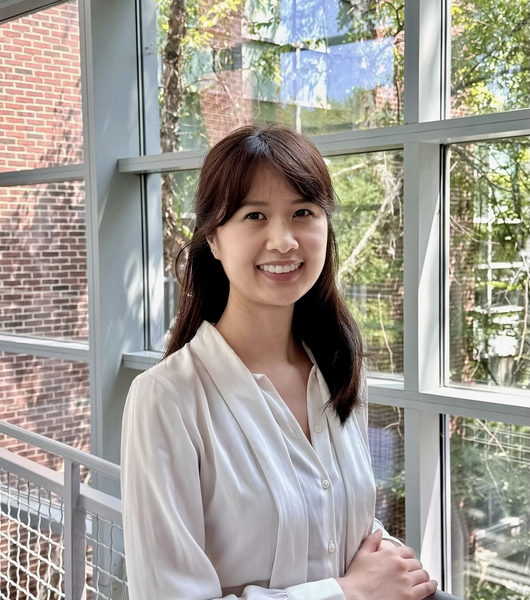
✨Help us welcome Dr. Wei to our Davis & Goldberg Orthodontics family.
If you see Dr. Wei in the office, be sure to say hi! 👋
We’re so happy to have her on our team!
#braces #invisalign #orthodontist

Our Davis & Goldberg Charity Cafe is supporting Susan G. Komen all month long in October.
As always, your favorite Starbucks drinks are free for our patients, but if you like to give back 100% of your donations will go to Susan G. Komen foundation to support their mission of helping those affected by breast cancer.
Grab a drink, spread the love and helpm up make a difference this October! 💗
#davisgoldbergcharitycafe #braces #invisalign #coffeeandcommunity